Career in context
An unconventional route into the profession
Wang Tianyi began learning Xiangqi at about six. In 2005 he won the under-16 national youth championship and became a Xiangqi master, while keeping school central for much of the following period. He studied science in high school, later read information management at Peking University, and was still taking leave for league games and returning for classes in 2011. In 2009 he won the Wufang Cup as a Peking University student. He had already built serious competitive results before turning fully toward the professional circuit in 2012.
Peking University News ↗2012: Titles, league results, and qualification arrived together
2012 was the year Wang’s professional results rose sharply. He won the Cailun Zhuhai Cup in March with 7 wins and 4 draws from 11 games; in September he led the league’s individual slow-game table with 12 wins, 9 draws and 1 loss, scoring 33 points and earning the top-scorer title; in October he won the national individual championship unbeaten with 5 wins and 6 draws. In the final round against Wang Yang, a draw was enough to secure the title. Playing first with a Fei-Xiang setup, he used defence and exchanges to meet the opponent’s need to win. He became a national champion and grandmaster that year.
General Administration of Sport 2012 national report ↗From domestic breakthrough to world champion
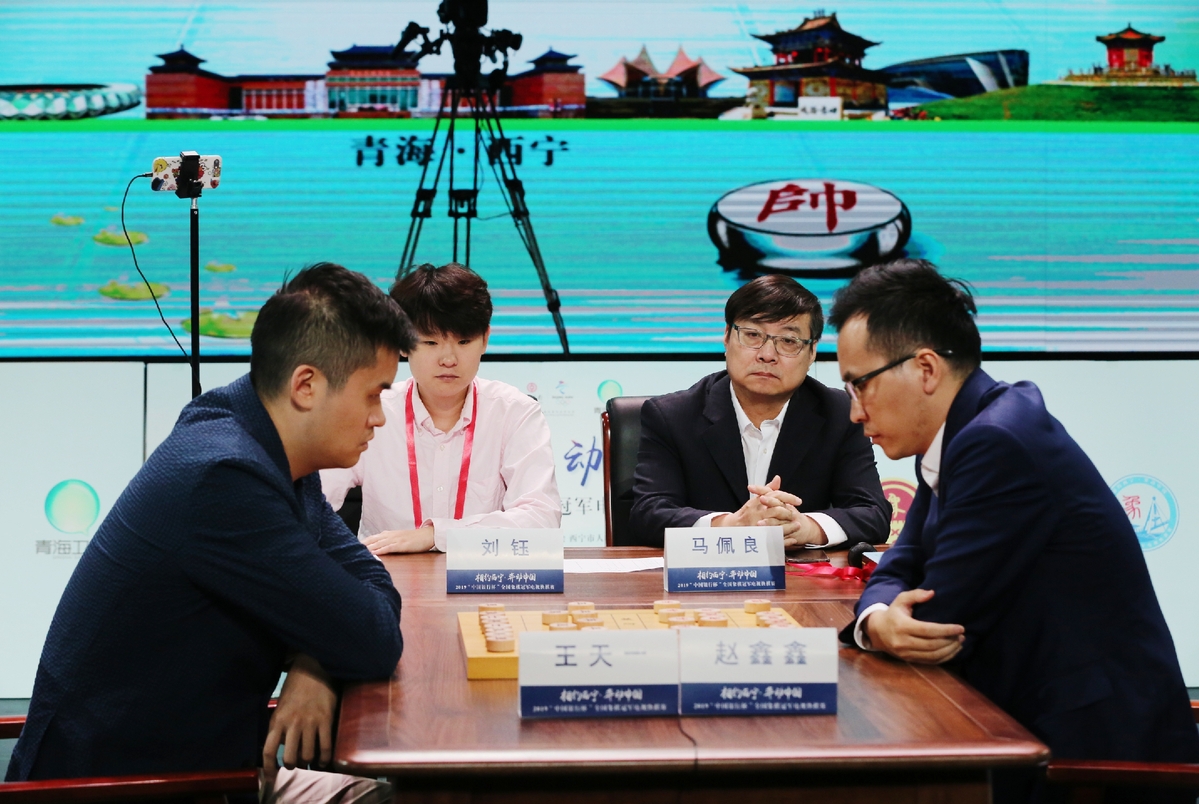
At the 2013 World Championship in Huizhou, Wang made his first appearance for China, won his first five games, finished with 7 wins and 2 draws for the men’s individual title, and helped China win the team title with Sun Yongzheng. After the event he spoke about team honours and the rapid progress of overseas players. In Manila in 2017, Wang and Zheng Weitong finished level on 15 points, with Wang taking the title on tiebreak criteria; reports also record his survival in unclear positions and his own acknowledgement of luck.
Sohu and Sina Sports event reports ↗Long-term rating leadership
Wang spent a long period at the top of the domestic rating list. The 2012 national-individual report already called him the league’s leading scorer; around 2014 he moved ahead of Xu Yinchuan and remained number one during several later periods. The General Administration of Sport’s list at 31 December 2022 placed him first on 2773, with Zheng Weitong second on 2755; only two players were above 2700. Results across individual events, the league, champion invitationals and international tournaments show the sustained output behind that ranking.
General Administration of Sport rating report ↗Club career: from team anchor to Hangzhou leader
Guangxi Cross-Century assembled an expensive strong team and won the league in 2015, with Wang as a team anchor. The following year the club did not enter the league, and a dispute over wages and bonuses became public; Wang and Wang Yuefei issued a joint statement and appointed lawyers, followed by a reported final court decision in 2018. After Wang joined Hangzhou Qiyuan, Hangzhou finished league runner-up in 2019 and won its first top-level league title in 2022 with Wang serving as coach and player. His responsibilities extended into team organisation.
Chinese Xiangqi Association 2022 season report ↗From the board to the camera: a public role in the livestream era
As livestreams and short video became important ways for players to reach audiences, Wang faced several kinds of public evaluation at once: explaining games, speaking live, interacting with fans and responding to platform discussion. The Zhihu discussion about a “Wang Tianyi assistant” is a user-submitted post, not a news investigation. Some answers mention account and livestream assistance, but they also mix in unverified accounts of relationship changes and recordings. This profile treats the thread only as public discussion material and makes no factual judgment about people’s relationships, motives or responsibility.
Zhihu: discussion about Wang Tianyi’s assistant ↗Biyuguan Cup and the national individual title: two kinds of championship
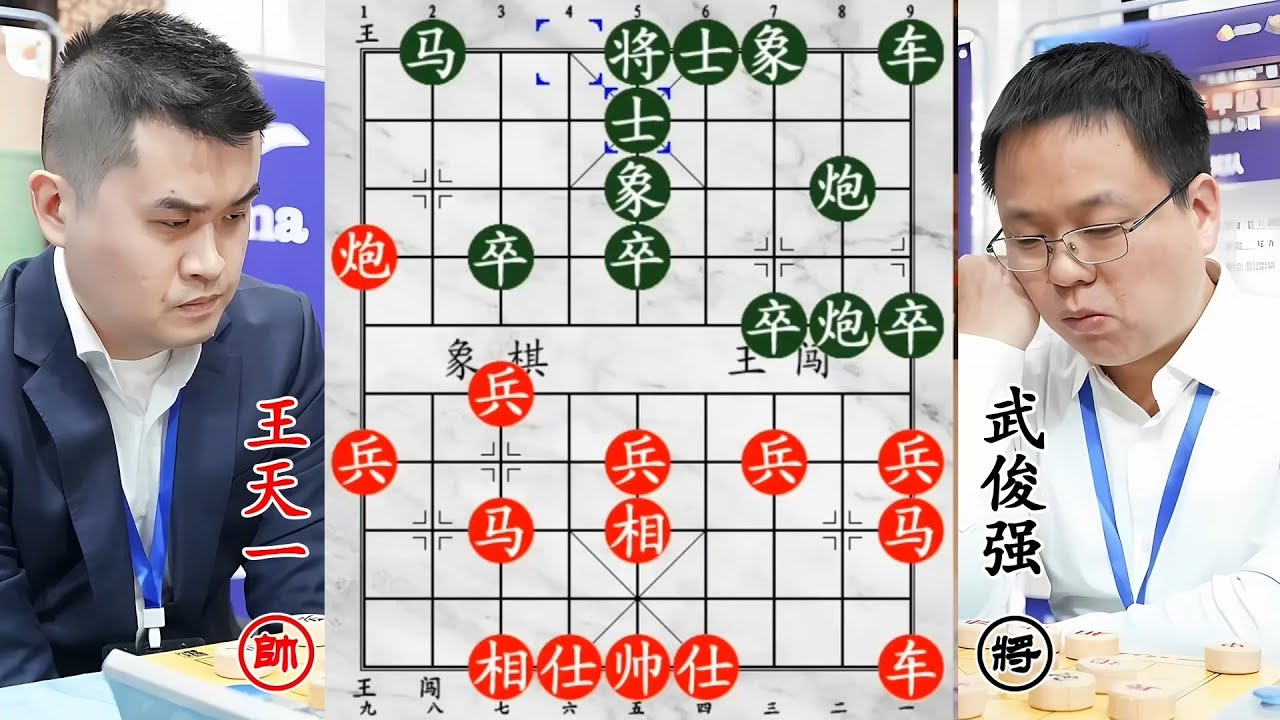
The national individual championship is an important stage for the national-champion identity and grandmaster qualification; the Biyuguan Cup is closer to a high-prize invitational for leading champions. Wang won the national men’s title in 2012, 2016, 2019 and 2023; he first won the Biyuguan Cup in 2015, then beat Zheng Weitong 2–0 with three draws in 2018 for his third title and the event’s first successful defence. The formats and fields differ, and each reflects a different competition environment. In the fifth game of the 2018 final, Wang used a cannon sacrifice for an elephant to open the opponent’s line.
General Administration of Sport 2018 Biyuguan report ↗2022–2023: two important late-career results
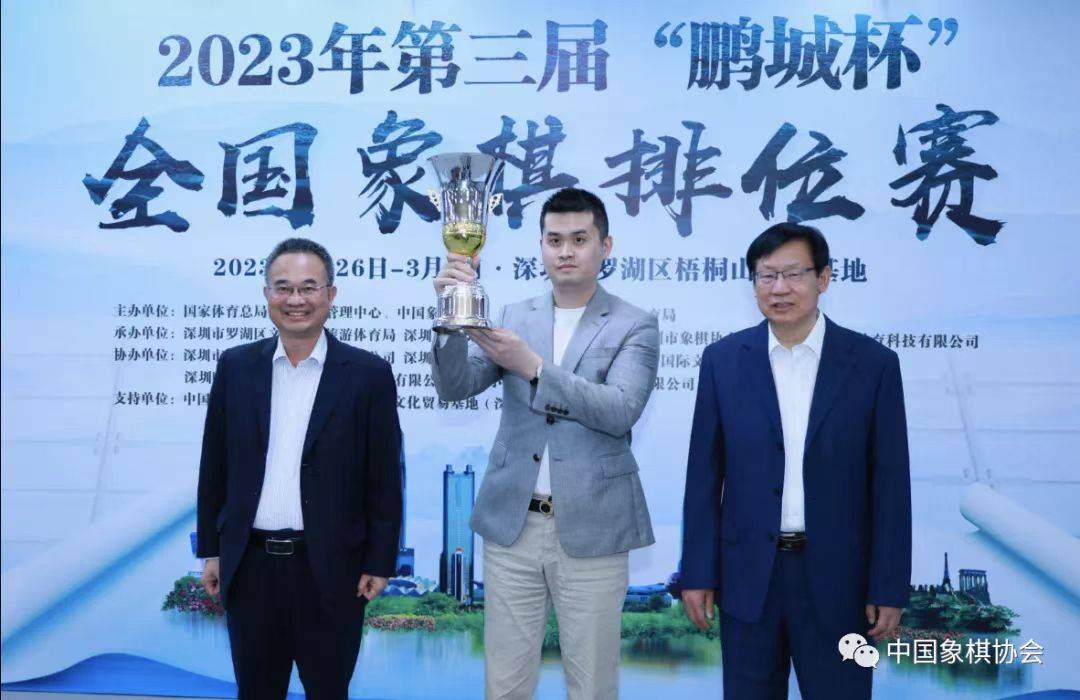
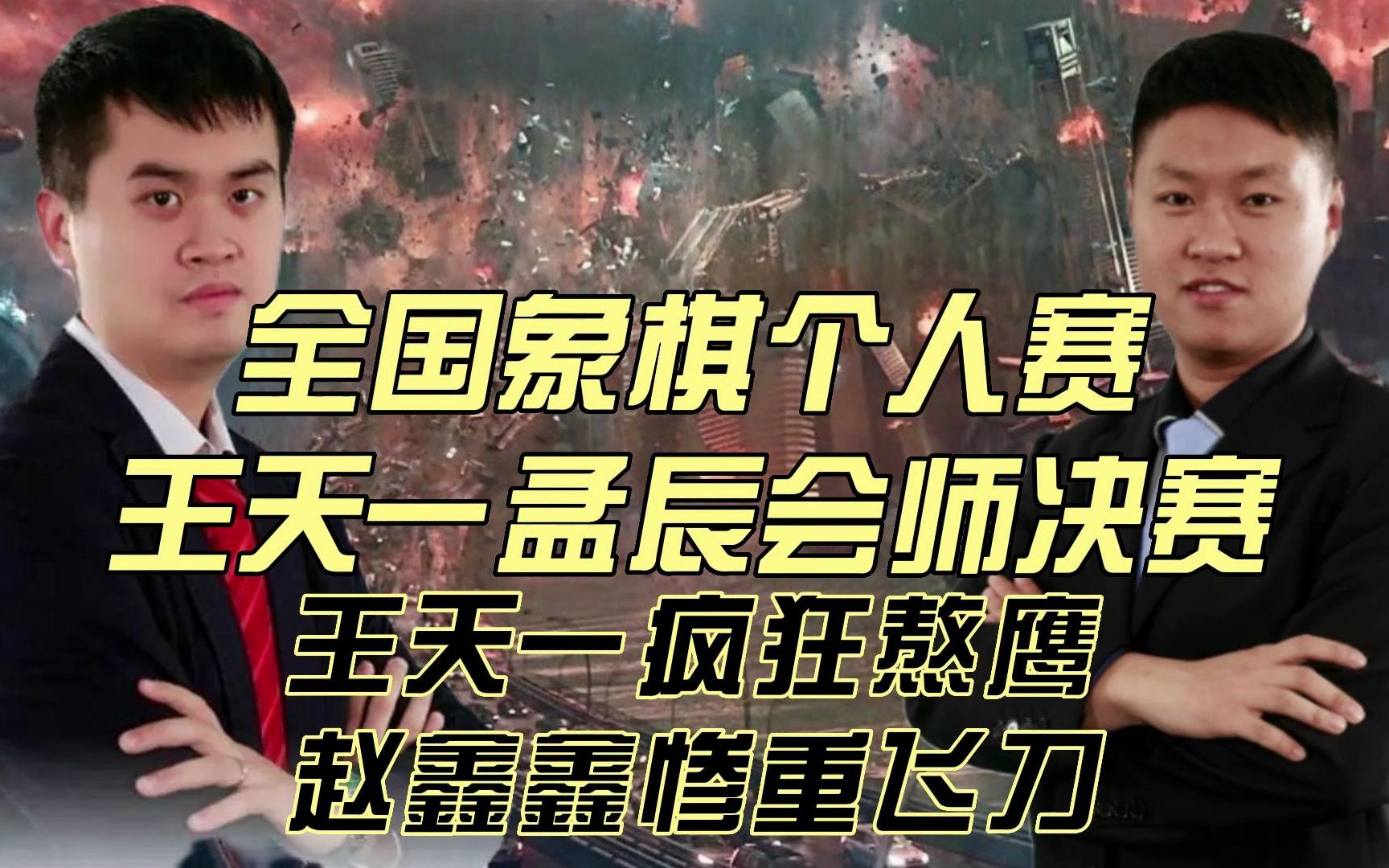
The league’s double MVP in 2022 and Wang’s fourth national individual title in 2023 are two important late-career results. The first came through 22 regular-season rounds and the playoffs; reports record one loss and a title won with Wang as coach and player. The second came at a national individual event with 64 qualifiers, where Wang reached the final and beat Meng Chen with one win and one draw. The General Administration of Sport’s rating list published early that year placed him first at 2773.
General Administration of Sport 2023 national report ↗